
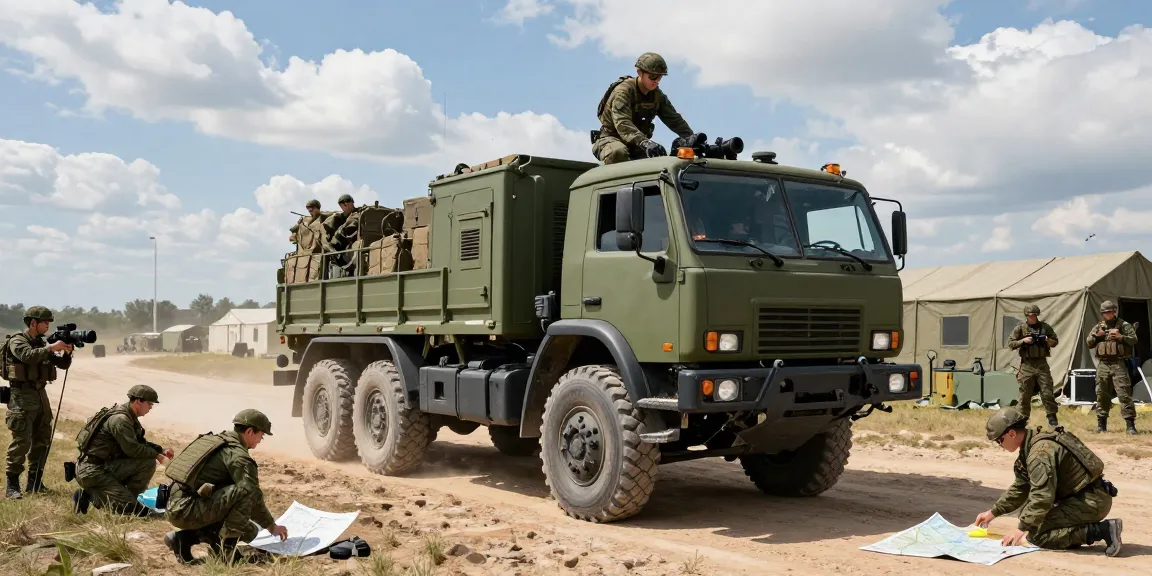
Understanding the Role of 88M Motor Transport Operators
The 88M Motor Transport Operator is a vital position within the United States Army, primarily responsible for ensuring the efficient transportation of personnel and cargo across varied terrains. This role is not merely about driving; it encapsulates a range of logistics and operational responsibilities that are crucial for maintaining the military’s operational tempo. As military needs evolve, the importance of understanding this role becomes even more pronounced, especially for those considering a career in military logistics. For comprehensive insights into this role, 88m serves as an excellent resource.
What is the 88M MOS?
The 88M Military Occupational Specialty (MOS) designates Motor Transport Operators who are responsible for operating various wheeled vehicles. This role requires a blend of technical ability, discipline, and tactical knowledge, as these operators are tasked with transporting troops, equipment, and supplies safely and efficiently. The 88M role is integral to the overall logistics framework of the Army, supporting not just operational missions but also humanitarian efforts and disaster response.
Key Responsibilities of an 88M Operator
Motor Transport Operators have several key responsibilities, which include:
- Operating tactical and non-tactical vehicles in diverse environments.
- Managing cargo loading and unloading processes, ensuring the safe handling of sensitive equipment.
- Conducting routine vehicle inspections and maintenance to ensure operational readiness.
- Coordinating with other military units to facilitate seamless transportation operations.
- Adhering to safety regulations to prevent accidents and ensure the well-being of personnel.
The Importance of Transportation in Military Operations
In military operations, transportation is crucial for mission success. Effective transportation logistics ensure that forces can move quickly and efficiently, adapting to changing battlefield conditions. The role of the 88M Operator stands out as it not only involves transportation but also requires anticipating operational needs, thus optimizing the military’s logistical capabilities.
Training and Skill Development for 88M Operators
Overview of Basic Combat Training
Before becoming a Motor Transport Operator, recruits undergo Basic Combat Training (BCT), which instills fundamental military skills and physical fitness. This training serves as the foundation for all soldiers, emphasizing teamwork, discipline, and the Army’s core values.
Advanced Individual Training for 88M
Following BCT, soldiers enter Advanced Individual Training (AIT), where they receive specialized instruction in operating military vehicles. This training encompasses both theory and practical application, ensuring that students acquire the necessary skills to perform their duties effectively.
Essential Skills and Certifications Required
To excel as an 88M Operator, individuals must possess a range of skills and certifications, including:
- Proficiency in vehicle operation, including tactical wheeled vehicles and heavy trucks.
- Knowledge of safety protocols and vehicle maintenance techniques.
- Strong navigational skills, including the use of maps and GPS technology.
- Effective communication abilities for coordination with team members.
Challenges Faced by 88M Operators in the Field
Common Obstacles in Military Logistics
88M Operators encounter various challenges in military logistics, such as navigating difficult terrains, managing time-sensitive deliveries, and coordinating with multiple units. Adapting to these challenges requires resourcefulness and quick thinking, as any delays can impact mission outcomes.
Technical Challenges and Solutions
Technical challenges often arise from operating complex vehicle systems in demanding conditions. Operators must troubleshoot mechanical issues and conduct on-the-spot repairs, relying on both their training and experience to maintain operational efficiency.
Addressing Safety Concerns During Operations
Safety is paramount in military transportation. 88M Operators must remain vigilant, adhering to strict safety protocols to mitigate risks associated with transport operations. Regular training and drills help reinforce these safety measures, preparing operators to handle emergencies effectively.
Best Practices for Efficient Military Transportation
Strategies for Route Planning and Execution
Effective route planning is essential for timely and safe transportation. 88M Operators should leverage technology, such as GPS and mapping software, to devise optimal routes that consider road conditions, potential hazards, and mission objectives.
Maintaining Equipment and Vehicle Readiness
Regular maintenance of vehicles is critical to ensuring they are operationally ready. Operators must conduct routine checks on their vehicles, documenting any issues and coordinating with maintenance personnel for repairs.
Communication Techniques for Team Coordination
Strong communication is vital for successful operations. 88M Operators should employ clear and concise communication techniques to relay information effectively, ensuring all team members are aligned and informed throughout the transportation process.
The Future of Military Logistics and the Role of 88M in 2026
Emerging Technologies in Transportation
The logistics sector is rapidly evolving, with advancements in technology playing a significant role. In 2026, we expect to see increased integration of automation and data analytics in military transportation, enhancing efficiency and reducing the likelihood of human error.
Predictions for Military Operational Changes
As operational demands shift, 88M Operators must remain adaptable, ready to embrace new methods and technologies that enhance military effectiveness. This adaptability will be crucial in facing the complexities of modern warfare.
Developing Leadership Qualities in 88M Operators
Leadership skills are essential for 88M Operators, as they often lead small teams in high-pressure situations. Training programs should focus on developing these skills, preparing operators to make decisions that impact mission success.
What qualifications are needed to become an 88M Motor Transport Operator?
To qualify, candidates must meet specific health, fitness, and educational standards, including achieving a requisite score on the Armed Services Vocational Aptitude Battery (ASVAB) test. Additionally, individuals must complete both BCT and AIT successfully.
How does the role of 88M contribute to overall military strategy?
The role of 88M is pivotal in executing military strategy, as transportation logistics directly influence the Army’s ability to deploy forces and resources effectively. By ensuring that supplies and personnel are transported efficiently, 88M Operators enhance the overall readiness and effectiveness of the military.
What advancements in vehicle technology affect the 88M role?
Advancements in vehicle technology, such as enhanced safety features, fuel efficiency, and connectivity, are expected to impact the 88M role significantly. Operators will need to stay informed about these developments to maximize their operational effectiveness.
How can 88M operators prepare for future challenges?
Ongoing education and training will be essential for 88M Operators to stay ahead of emerging challenges. Engaging in continuous learning opportunities and participating in simulations can help prepare them for the complexities of future operational environments.
What are the career advancement opportunities for 88M operators?
Career advancement for 88M Operators can lead to roles in logistics management, transportation coordination, and leadership positions within the Army. Additional training and experience can open doors to specialized assignments and higher-ranking positions.