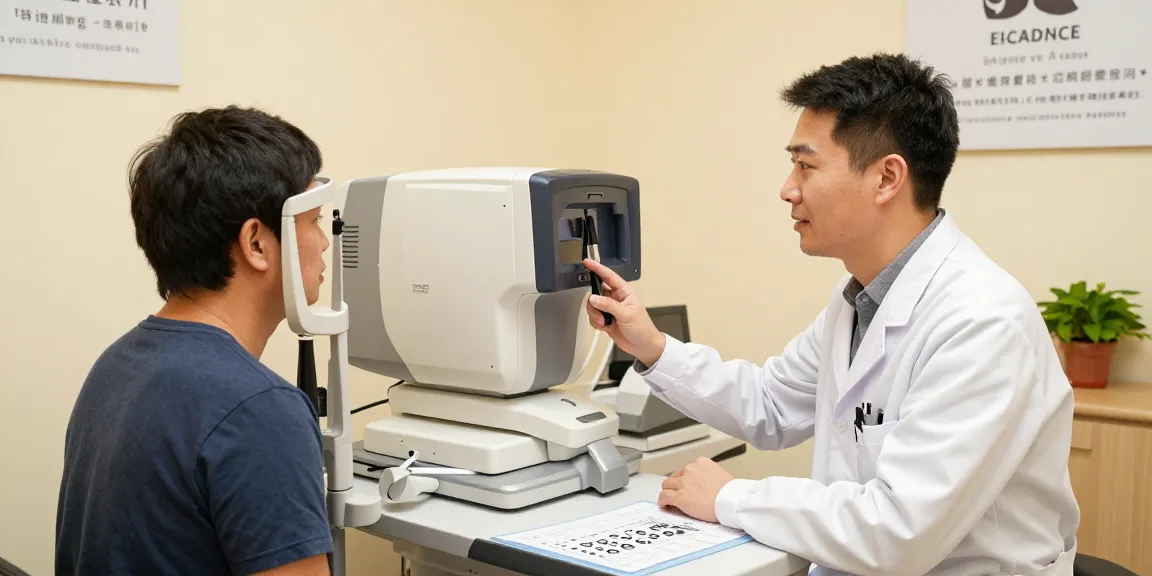
A compassionate doctor discussing Vision Correction options with a patient in a state-of-the-art eye clinic.

Essential Vision Correction Predictions for Eye Care Patients in 2026

The Future of Vision Correction Technologies

As we advance into 2026, the landscape of vision correction is evolving rapidly, driven by innovations in medical technology and surgical techniques. At the forefront of these advancements are personalized treatment plans that cater specifically to individual patient needs. The emerging technologies not only promise improved outcomes but also enhance the overall patient experience. This dynamic shift is crucial for clinics like SNU Eye Clinic, where exceptional care and innovative treatments are paramount. When exploring options, Vision Correction services are designed to provide comprehensive insights and solutions tailored to unique vision requirements.

Emerging Technologies in Vision Correction

The integration of cutting-edge technologies in vision correction is reshaping how eye care professionals approach treatment. Techniques such as laser-assisted surgeries, advanced intraocular lenses (IOLs), and even gene therapies are making significant strides. Laser refractive surgeries, especially LASIK and SMILE (Small Incision Lenticule Extraction), are becoming increasingly precise, allowing for quicker recovery times and minimal discomfort.

Furthermore, the introduction of wavefront-guided LASIK has enabled doctors to customize procedures according to the specific imperfections in a patient’s vision. This technology measures how light waves travel through the eye, focusing on irregularities that traditional methods might overlook. With the potential for enhancing the success rates of surgeries, these technologies are vital in the ongoing drive toward optimal patient outcomes.

Impact of AI and Machine Learning on Eye Care

Artificial Intelligence (AI) and machine learning are revolutionizing the field of eye care by enabling more accurate diagnostics and treatment planning. Algorithms driven by vast datasets can analyze medical images with precision, allowing for earlier detection of conditions like diabetic retinopathy or macular degeneration. By utilizing AI in the diagnostic process, practitioners can ensure timely interventions that can significantly improve patient vision and quality of life.

Moreover, AI can play a critical role in surgical planning and execution. For instance, robotic-assisted surgeries, guided by machine learning algorithms, promise increased accuracy and safety during complex procedures.

Advanced Surgical Techniques Expected by 2026

Over the next few years, we can anticipate a growing adoption of minimally invasive surgical techniques. These methods, such as femtosecond laser cataract surgery, are expected to gain prominence due to their ability to reduce recovery times and patient discomfort significantly. Innovations in IOL technology are also on the horizon, with lenses capable of accommodating varying vision needs, increasing the likelihood of achieving optimal visual outcomes without reliance on glasses.

In addition, the development of new materials and coatings for IOLs is set to enhance durability and performance, further reinforcing the future of surgical approaches in vision correction.

Personalized Vision Correction Solutions

As the practice of medicine evolves, the importance of personalized treatment plans becomes increasingly apparent. Tailoring vision correction solutions to the unique requirements of each patient not only improves outcomes but also fosters a sense of trust and satisfaction in the healthcare process.

The Importance of Tailoring Treatment Plans

Customizing treatment plans is crucial in ensuring that the specific needs of each patient are met. Factors such as age, lifestyle, and the nature of the visual impairment significantly influence the type of intervention required. For instance, active individuals may benefit more from laser procedures, while those with complex refractive errors might find ICL (Implantable Collamer Lens) procedures more effective.

By providing these individualized approaches, clinics like SNU Eye Clinic can enhance the patient journey from initial assessments through to post-operative care, ensuring comprehensive support throughout the process.

Benefits of 1:1 Vision Correction Approaches

One-on-one consultations and tailored treatment plans enable healthcare providers to develop a profound understanding of each patient’s expectations and concerns. This personalized engagement not only builds rapport but also results in better alignment between patient goals and clinical outcomes.

  • Improved patient satisfaction: Tailoring treatments to individual needs enhances overall satisfaction, leading to positive experiences and recommendations.
  • Higher success rates: Personalized approaches tend to account for the unique anatomical and physiological traits of patients, which can lead to better surgical outcomes.
  • Reduced complications: By understanding specific risks and contraindications, eye care professionals can optimize surgical plans, minimizing potential complications.

Case Studies: Success Stories from Customized Care

Real-life success stories illustrate the impact of personalized vision correction. In one case, a 35-year-old athlete opted for a custom LASIK procedure that accounted for his active lifestyle and specific visual demands. The outcome was remarkable, with the patient achieving 20/15 vision, allowing him to return to competition within weeks.

Similarly, another patient, a 50-year-old individual with astigmatism, benefited from a Toric ICL. The personalized approach not only corrected visual acuity but also significantly enhanced quality of life, enabling him to engage in activities he had previously found challenging.

Patient Perspectives and Experiences

Understanding the patient journey is critical for eye care providers. By focusing on patient perspectives, clinics can adapt their offerings to align with expectations and improve service delivery.

Understanding Patient Needs and Expectations

Every patient carries unique needs and expectations into their consultations. Open dialogues about what patients hope to achieve from vision correction treatments can guide medical professionals in formulating the most effective treatment plans. Establishing a comprehensive framework that encourages patients to share their concerns and desires is paramount to achieving shared decision-making.

Overcoming Misconceptions about Vision Correction

Despite advancements in the field, misconceptions surrounding vision correction persist. Many patients harbor fears regarding pain and surgical risks, which can deter them from seeking necessary treatments. It is crucial for healthcare providers to address these myths through education and reassurance, highlighting the safety and efficacy of modern procedures.

Information dissemination through various channels, including social media, informative websites, and community outreach, can significantly aid in demystifying the process.

Real Patient Testimonials on Eye Surgery Outcomes

Patient testimonials serve as powerful testimonies to the effectiveness of various vision correction methods. For instance, a satisfied LASIK patient noted an immediate difference in clarity post-surgery, stating, “I couldn’t believe my eyes. The world became vibrant again.” Another patient shared how their life transformed after receiving an ICL, stating, “For the first time in years, I was able to read without glasses.” Such testimonies not only validate the procedures but also inspire potential patients to consider seeking treatment.

Best Practices in Eye Care and Surgery

To deliver exceptional care, eye clinics must adhere to best practices throughout the patient journey, from assessment through to recovery.

Importance of Comprehensive Pre-Operative Assessments

Before any surgical procedure, a thorough pre-operative assessment is essential. This process should encompass detailed eye examinations, patient histories, and discussions about lifestyle and expectations. Ensuring that patients are well-informed about potential risks and benefits can significantly enhance the decision-making process, leading to better outcomes.

Following Up: Post-Surgery Care and Support

Post-operative care is a vital component of the recovery process. Following surgery, patients require detailed instructions on care routines, medication schedules, and follow-up appointments. Regular check-ins can help address any concerns and track healing progress.

Performance Metrics for Evaluating Treatment Success

Clinics must establish clear performance metrics to evaluate the success of treatments. Metrics such as visual acuity improvement, patient satisfaction scores, and complication rates are essential in assessing overall treatment effectiveness. Continuous monitoring and analysis of these metrics can drive quality improvements and foster a culture of excellence within healthcare facilities.

Trends and Predictions for Eye Health in 2026

The future of eye health is poised for exciting developments driven by technological advancements and evolving patient needs. Understanding upcoming trends will be critical for both patients and providers navigating this landscape.

Future Direction of the Eye Care Industry

The eye care industry is anticipated to pivot towards more patient-centered models, emphasizing transparency, communication, and active participation in treatment choices. As patients become more informed, clinics will need to adapt their models to deliver tailored experiences aligned with patient preferences.

Key Factors Affecting Vision Correction Demand

Demographics will continue to play a significant role in shaping vision correction demand. As populations age, the prevalence of age-related eye conditions will rise, increasing the demand for effective correction solutions. Additionally, as lifestyle changes prompt more reliance on digital devices, younger generations may seek interventions to address digital eye strain.

Emerging Healthcare Policies Impacting Eye Surgery

Healthcare policies are evolving to promote better access to vision care. Anticipated changes in insurance coverage and reimbursement models may facilitate broader access to advanced treatments, potentially increasing patient volumes in clinics offering cutting-edge solutions.

What are the latest advancements in Vision Correction?

Among the latest advancements in vision correction are the integration of collimated light for laser procedures, adaptive optics for visual correction, and advancements in materials for ICLs. These innovations foster the development of safer, more efficient treatment protocols.

How can personalized treatment improve patient outcomes?

Personalized treatment significantly enhances patient outcomes by considering each individual’s unique circumstances, leading to more effective interventions and higher satisfaction rates. Tailored approaches that consider lifestyle, anatomical variances, and specific visual demands yield optimal results.

What should patients know before considering eye surgery?

Patients should be informed about the types of procedures available, potential risks and complications, post-operative care requirements, and the importance of setting realistic expectations. Engaging in thorough consultations with eye care professionals can ensure that patients make well-informed decisions.

What role does technology play in modern eye care?

Technology plays an integral role in modern eye care, enabling enhanced diagnostic capabilities, refined surgical techniques, and improved patient communication. From AI to robotics, each technological advancement contributes to more precise and efficient healthcare delivery.

How to choose the right eye clinic for Vision Correction?

When choosing an eye clinic for vision correction, consider factors such as the clinic’s track record, the types of technologies used, patient testimonials, and the availability of personalized care options. A clinic that prioritizes patient education and support can significantly enhance the overall treatment experience.

Participants practicing Hatha yoga during the 200 hour yoga teacher training in rishikesh at dawn by the Ganga River.

2026 200 Hour Yoga Teacher Training in Rishikesh Industry Report: Key Takeaways

Understanding the 200 Hour Yoga Teacher Training in Rishikesh

The 200 hour yoga teacher training in rishikesh is a transformative experience aimed at those who aspire to become certified yoga instructors or deepen their understanding of yoga. Nestled in the serene backdrop of the Himalayan foothills, Rishikesh stands as the ultimate destination for yoga enthusiasts, offering an immersive journey into both personal and professional development. This course not only equips participants with essential teaching skills but also fosters a profound connection with tradition and nature.

What is the 200 Hour Yoga Teacher Training?

The 200 Hour Yoga Teacher Training (YTT) is a foundational program recognized by the Yoga Alliance that equips students with the knowledge, skills, and practices necessary to teach yoga effectively. Spanning over 24 days, this course covers a comprehensive curriculum that combines theory and practical elements ranging from asana practice to yoga philosophy, anatomy, and teaching methodology. The program aims to foster confidence and competence in aspiring instructors, allowing them to teach safely and effectively.

Why Rishikesh is the Top Destination for Yoga Training?

Rishikesh, often referred to as the “Yoga Capital of the World,” attracts individuals from all corners of the globe seeking spiritual growth and wellness. The city is steeped in rich cultural heritage, surrounded by the sacred Ganges River, and enveloped by the majestic Himalayas. This distinctive environment provides a tranquil setting that enhances meditation and yoga practices, making it an ideal location for training. The essence of Rishikesh is not just about teaching asanas; it is about fully immersing oneself in a holistic lifestyle, embracing the spiritual and cultural practices that have been passed down for generations.

Overview of Yoga Styles Covered in the Course

During the 200 Hour YTT, participants will be exposed to various yoga styles, including:

  • Hatha Yoga: The foundation of most yoga styles, emphasizing physical postures (asanas) and breath control (pranayama).
  • Vinyasa Yoga: A dynamic practice that links movement with breath, ideal for building flexibility and strength.
  • Ashtanga Yoga: A rigorous style characterized by a fixed series of poses and a focus on a strong, flowing breath.
  • Yin Yoga: A slower-paced style that involves holding postures for extended periods to target the body’s connective tissues.
  • Restorative Yoga: A gentle approach that uses props to support the body and promote relaxation.

Preparing for Your Journey: Essential Steps

What to Expect from the Curriculum

The curriculum for the 200 Hour YTT is meticulously crafted to cover essential aspects of yoga practice and teaching. Participants can expect to engage in:

  • Practice Teaching: Gaining hands-on experience in teaching classmates, which fosters confidence and hones communication skills.
  • Yoga Philosophy: Exploring texts like the Yoga Sutras of Patanjali and the Bhagavad Gita to understand the ethical and philosophical foundations of yoga.
  • Asana Breakdown: A detailed analysis of various asanas, focusing on alignment, modifications, and potential risks.
  • Anatomy: Understanding the human body concerning yoga practice, which is crucial for safe teaching.
  • Pranayama and Meditation: Techniques to enhance breath control and promote mental clarity and focus.

How to Choose the Right Yoga Teacher Training in Rishikesh?

Selecting the right YTT program is pivotal for a fulfilling experience. Here are some tips to guide your decision:

  • Research Schools: Look for institutions with a solid reputation, experienced instructors, and positive student reviews.
  • Consider Your Goals: Identify whether your primary goal is personal growth or preparing for a professional teaching career.
  • Assess Curriculum: Ensure the program covers a variety of subjects that align with your interests.
  • Visit the Facility: If possible, visit the training center to get a feel for the environment and community.
  • Check Accreditation: Make sure the program is recognized by a reputable body such as Yoga Alliance.

Tips for First-Time Participants

For those joining a YTT for the first time, preparation is key. Here are some tips to enhance your experience:

  • Start Practicing: Familiarize yourself with basic yoga postures and breathing techniques.
  • Set Intentions: Reflect on what you hope to achieve from the training; this could be personal growth, teaching skills, or deeper knowledge of yoga.
  • Pack Wisely: Bring comfortable clothing, yoga props, and personal items that will support your well-being during the training.
  • Stay Open-Minded: Embrace the journey with an open heart and mind. Be receptive to learning and self-discovery.

Immersive Experiences: Living at Adhiroha Ashram

Accommodation and Amenities Overview

During your stay at the Adhiroha Ashram, you’ll experience an environment designed for peace and personal growth. Accommodations are thoughtfully arranged to promote relaxation and focus:

  • Mountain-View Rooms: Enjoy serene views of the Himalayas from your room, enhancing tranquility.
  • Vegetarian Meals: Nourishing, sattvic meals are provided to support your physical and spiritual practice.
  • In-House Amenities: Access to yoga accessories, smart classrooms, and cozy communal areas for relaxation and connection.

Daily Schedule and Routine of Training

The daily schedule is structured to optimize learning and practice:

  • Morning Sessions: Begin with yoga asana practices followed by pranayama and meditation.
  • Afternoon Classes: Engage in workshops covering topics like anatomy, philosophy, and teaching methodology.
  • Evening Activities: Participate in group discussions, practice teaching, and cultural immersions such as the Ganga Aarti.

Cultural Activities and Spiritual Practices Included

In addition to the curriculum, students will have the opportunity to immerse themselves in Rishikesh’s rich culture through various activities:

  • Aarti Ceremony: Experience the mesmerizing evening ceremony at the Ganges, connecting with the spiritual heart of the city.
  • Nature Excursions: Explore local sites, including waterfalls and caves, to deepen your connection with nature and yourself.
  • Community Service: Engage in service projects that enhance the well-being of the local community, fostering a sense of connection and responsibility.

Benefits of Completing a 200 Hour Yoga Teacher Training

Personal Growth and Transformation

Completing a 200 Hour YTT is not just about learning to teach; it’s a journey of self-discovery and transformation. Participants often report increased self-awareness, enhanced physical fitness, and a deeper understanding of wellness practices. This training fosters a balanced lifestyle that integrates spiritual, mental, and physical health, paving the way for personal evolution.

Professional Opportunities and Certification

Graduates of the program receive certifications that allow them to teach yoga globally. The credentials obtained from reputable institutions enhance job prospects and provide a strong foundation for further studies in yoga. This certification opens doors to various opportunities, including teaching at studios, leading workshops, and offering private sessions.

Health Benefits of Regular Yoga Practice

Yoga is not only a means to become a teacher but also a pathway to holistic health. Regular practice can lead to:

  • Improved flexibility and strength
  • Enhanced mental clarity and focus
  • Better stress management and emotional regulation
  • Increased energy levels and overall vitality

FAQs about the 200 Hour Yoga Teacher Training in Rishikesh

How long does it take to complete the course?

The 200 hour yoga teacher training course typically spans 24 days, providing an immersive experience that balances teaching and personal practice.

What is included in the course fee?

The course fee generally covers accommodation, meals, training materials, and certification fees. Some programs may also include excursions and cultural activities.

Can beginners participate in the training?

Yes, beginners are welcome to join the 200 hour YTT. It is designed to cater to individuals with varying levels of experience, including those entirely new to yoga.

Are there any prerequisites for joining?

While prior yoga experience is beneficial, it is not mandatory. A willingness to learn and openness to new experiences are the essential prerequisites.

What certifications do graduates receive?

Upon completion, participants receive certifications recognized by the Yoga Alliance and the Yoga Certification Board of India, allowing them to teach globally.. Additionally, best 300 hour yoga teacher training in India provides further details.

Is vaping legal in Cyprus? Enjoying natural wellness and CBD oil in a bright kitchen setting with healthy ingredients.

Is Vaping Legal in Cyprus Shortcuts: Safe Compliance for Young Adults Seeking Wellness

The Legal Landscape of Vaping in Cyprus

As vaping becomes increasingly popular across the globe, understanding the legal implications of using vape products in specific countries is essential. Cyprus, known for its stunning landscapes and vibrant culture, has established specific legal guidelines regarding vaping that prioritize health and safety. This article will delve into the current regulations surrounding vaping in Cyprus, focusing on age restrictions, compliance policies, and important safety practices for both consumers and businesses. When exploring options, Is vaping legal in Cyprus provides comprehensive insights for anyone considering vaping in this beautiful Mediterranean country.

Understanding Vaping Regulations in 2026

With the year 2026 upon us, various legal changes have shaped how vaping is regulated in Cyprus. Currently, while it is completely legal to purchase and use e-cigarettes and vape products, there are specific regulations intended to safeguard public health. The sale of vaping products is not permissible via vending machines or online purchases, thereby reinforcing the need for face-to-face transactions in registered vape shops. This precaution is intended to minimize underage access to these products and ensure that proper age verification can be conducted at the point of sale.

Age Restrictions and Compliance Policies

In Cyprus, the legal age to purchase vape products is set at 18 years old. This age restriction aligns with most tobacco regulations in the European Union and aims to decrease the likelihood of underage vaping. Stores such as Vape Culture and The Chemist Et Al are committed to enforcing this regulation strictly. They have established comprehensive age verification policies which require customers to present valid, original photo identification upon request. Digital copies or reproductions of IDs will not be accepted, emphasizing the importance of ensuring that all sales comply with the legal age limit.

Consequences of Non-Compliance for Businesses

Failure to adhere to age verification policies can result in severe repercussions for businesses. Vape shops that do not comply with the established regulations risk facing fines, closure, or both. More notably, non-compliance can also lead to a deterioration of community trust and credibility among consumers. For businesses aiming to cultivate a positive, responsible vape culture, compliance is not merely a legal obligation, but a commitment to public health and safety.

Health Benefits of Vaping: A Comprehensive Overview

While vaping is often perceived primarily as an alternative to traditional smoking, emerging research indicates potential health benefits associated with specific vaping products, particularly those infused with cannabinoids like CBD. Understanding these potential therapeutic effects is crucial for consumers prioritizing wellness through responsible product usage.

Exploring Therapeutic Effects of Cannabinoids

Cannabinoids such as CBD (cannabidiol) are gaining traction for their potential health benefits without the psychoactive effects associated with THC (tetrahydrocannabinol). Research suggests that CBD might play a therapeutic role in managing conditions such as anxiety, chronic pain, inflammation, and even sleep disorders. Vaping CBD allows for quicker absorption into the bloodstream, making it an appealing option for individuals seeking rapid relief from symptoms.

Vaping vs Traditional Smoking: The Healthier Choice?

When comparing vaping to traditional smoking, many experts argue that vaping can be a less harmful alternative due to the reduced number of harmful chemicals produced. Traditional cigarettes release thousands of toxic substances through combustion, while vaping mainly utilizes vaporized e-liquids without the same level of carcinogens. However, it is essential to note that although vaping is potentially safer than smoking, it is not completely without risks.

Potential Psychological and Physical Benefits

Aside from physical health advantages, vaping may provide psychological benefits as well. Users often report improved focus and mental clarity, especially when using CBD-infused products designed for stress relief. Furthermore, vaping can offer a sense of ritual or habit that can be comforting for those transitioning away from traditional smoking.

Types of Vape Products Available in Cyprus

With an array of products available in the Cypriot market, understanding the variations in vape products can significantly enhance consumer knowledge and selection. From different devices to e-liquids, the options are plentiful.

Different E-Liquid Flavors and Ingredients

Vape juices, also known as e-liquids, come in an extensive range of flavors and formulations, from sweet dessert profiles to natural cannabis flavors. Ingredients typically include propylene glycol (PG), vegetable glycerin (VG), flavorings, and sometimes nicotine salts or CBD. Consumers should always look for third-party testing to confirm quality and safety.

Hardware Variations: Devices and Accessories

The vaping market in Cyprus offers various devices, catering to both beginners and seasoned users. Common hardware includes vape pens, box mods, pod systems, and more specialized devices like sub-ohm tanks and MTL (mouth-to-lung) systems. Each device type has specific advantages in terms of usability, vapor production, and customization options.

Quality Indicators to Look for in Vaping Products

When selecting vaping products, quality should always be a top priority. Look for products from reputable brands that provide transparent information regarding ingredient sourcing, manufacturing processes, and laboratory testing. Third-party Certificates of Analysis (COA) can help consumers verify product potency and safety, ensuring they’re purchasing high-quality products.

Safety Guidelines for Vaping in Cyprus

Understanding safety guidelines is essential for a positive vaping experience. With the rise of vaping, a responsible approach to usage is vital to mitigate health risks and ensure compliance with legal standards.

Understanding Risks and Health Considerations

Vaping, while often viewed as less harmful than traditional smoking, is not free from risks. Potential side effects may include respiratory irritation, dry mouth, or dizziness. Additionally, some individuals may experience adverse effects from certain flavoring agents in e-liquids or from nicotine itself. Therefore, it is critical to educate oneself and choose products wisely.

How to Vape Responsibly

Responsible vaping practices include starting with low nicotine concentrations to assess tolerance and avoiding excessive use. Furthermore, users should abide by local regulations regarding where vaping is permitted, as many public areas in Cyprus have restrictions on vaping, similar to smoking regulations.

Recognizing Adverse Reactions to Vaping

Vapers should remain vigilant for any adverse reactions during their usage. If an individual experiences persistent cough, chest pain, or any other concerning health issues, seeking medical attention is crucial. Knowledge of how to recognize these symptoms can set the foundation for safer usage.

FAQs About Vaping Legislation and Usage

As interest in vaping increases, so do questions regarding regulations and usage practices. Below, we address some of the most commonly asked questions.

What is the legal age to vape in Cyprus?

The legal age to purchase and use vaping products in Cyprus is 18 years. This age regulation is strictly enforced across all authorized vape retailers.

Can tourists purchase vaping products in Cyprus?

Yes, tourists who meet the age requirements are welcome to purchase vaping products in Cyprus. However, they must present valid photo identification to verify their age.

What identification is required for verification?

Customers must provide original, physical photo identification. Accepted forms include a passport, national ID, or driving license. Digital copies or prints will not be accepted.

Are there restrictions on vape advertising?

Like traditional tobacco products, vaping products are subject to advertising restrictions. These regulations aim to protect public health and limit marketing that might appeal to minors.

Is vaping allowed in public spaces?

Public vaping regulations mirror those for traditional smoking. Vaping is generally prohibited in enclosed public spaces, thus users should familiarize themselves with local rules on public usage.

David Hoffmeister reviews from a trusted healthcare provider showing comprehensive patient care in a modern clinic.

6 Insider Tips for Getting More from David Hoffmeister Reviews in 2026

Understanding David Hoffmeister’s Teachings

David Hoffmeister is a spiritual teacher known for his profound insights on A Course in Miracles, which explores themes of forgiveness, love, and the nature of reality. His teachings emphasize the importance of inner peace and the transformative power of aligning one’s mind with spiritual principles. For those exploring his philosophy, insightful resources can be found in various david hoffmeister reviews that highlight personal experiences and outcomes influenced by his guidance.

Overview of His Core Messages

At the heart of Hoffmeister’s teachings is the concept of non-duality, which posits that the separation between self and others, or self and the divine, is an illusion. His core messages center around unconditional love, forgiveness, and releasing the ego’s hold over individuals. He encourages followers to recognize their true nature as part of the divine and to embrace a peaceful mindset as a pathway to healing and inner tranquility.

The Impact of His Philosophies on Patient Care

In the context of healthcare, the principles advocated by Hoffmeister can greatly influence patient care. By promoting forgiveness and compassion, healthcare providers can foster a healing environment that enhances patient outcomes. His philosophy encourages practitioners to approach treatment holistically, acknowledging not just physical symptoms but also emotional and spiritual dimensions of health. This well-rounded approach not only helps in diagnosing and treating illnesses but also in improving the overall quality of life for patients.

Patient Testimonials and Experiences

Numerous testimonials reflect the impact of Hoffmeister’s teachings on individuals facing health challenges. Patients report significant improvements in mental clarity, emotional resilience, and overall well-being after integrating his non-dualistic principles into their lives. These testimonials serve as powerful anecdotes demonstrating how spiritual insights can create pathways to recovery and peace.

Navigating Reviews: What to Look For

When exploring reviews related to David Hoffmeister, it’s essential to identify key aspects that reflect trustworthiness and authenticity. Reviews can provide insights into the practical applications of his teachings and their effectiveness in various contexts, particularly in healthcare.

Key Aspects of Trustworthy Testimonials

Trustworthy testimonials usually stem from personal experiences and include specific outcomes resulting from the adoption of Hoffmeister’s teachings. Look out for details regarding how his guidance has helped individuals grow emotionally or spiritually, as well as insights into the transformative processes they experienced.

Analyzing Critical Feedback on Spiritual Guidance

Not all reviews will be overwhelmingly positive, and it is crucial to analyze critical feedback thoughtfully. Understand the context behind negative reviews — they may stem from misalignments between individual expectations and the teachings themselves. A balanced perspective on feedback can also provide clarity on the complexities of spiritual journeys.

Identifying Positive vs. Negative Experiences

Assessing positive experiences can highlight the therapeutic benefits of Hoffmeister’s approach, while negative ones may reveal areas where individuals felt unfulfilled. By examining both sides, potential seekers can gain comprehensive insights into what they might expect when exploring Hoffmeister’s teachings.

Incorporating Spiritual Insights into Healthcare

Hoffmeister’s teachings can be effectively incorporated into healthcare practices to enhance the overall patient experience. Many wellness centers around the world have started to implement his principles to support healing and wellness.

How Wellness Centers Utilize Hoffmeister’s Teachings

Wellness centers often embrace the non-dualistic teachings of Hoffmeister to create supportive environments that foster emotional and spiritual growth. These facilities may offer workshops, retreats, and counseling sessions grounded in the principles of unconditional love and forgiveness, allowing patients to explore their inner selves and advance their healing processes.

Patient-Centric Approaches Derived from His Philosophy

Adopting patient-centric approaches inspired by Hoffmeister encourages healthcare professionals to treat patients as whole individuals. Integrating emotional and spiritual support into clinical care cultivates a space where patients feel seen, heard, and valued, thus enhancing their capacity for healing.

Innovative Practices Inspired by Non-Duality

Healthcare practitioners are increasingly utilizing mindfulness and meditation techniques drawn from Hoffmeister’s teachings. These practices have been shown to reduce stress, anxiety, and depression among patients, further augmenting traditional medical treatments and promoting holistic wellness.

The Role of Community in Healthcare

The concept of community is intrinsic to Hoffmeister’s teachings and plays a significant role in the healing journey of individuals within healthcare environments.

Supporting One Another: Group Sessions and Outcomes

Group sessions based on Hoffmeister’s teachings allow individuals to connect and share their experiences, fostering mutual support. The collective energy of a group can be tremendously healing, promoting feelings of belonging, understanding, and camaraderie among participants.

Leveraging Testimonials in Building Trust

Healthcare facilities can use testimonials from community members who have practiced Hoffmeister’s teachings to build trust with new patients. Stories of transformation not only validate the effectiveness of these methods but also encourage hesitant individuals to explore their spiritual healing paths.

Community Wellness Events: Engaging with David’s Teachings

Community wellness events inspired by Hoffmeister’s philosophies can serve as platforms for education and engagement. Such events create opportunities for individuals to learn about spiritual practices that have helped others and to participate in shared activities that promote collective healing.

Benefits of Reflective Practices in Healthcare

Integrating reflective practices within healthcare settings can significantly enhance patient recovery and well-being. The principles espoused by Hoffmeister serve as a beneficial addition to traditional medical approaches.

Mindfulness Techniques for Patient Recovery

Mindfulness, as highlighted in Hoffmeister’s teachings, allows patients to focus on the present moment, reducing anxiety about the future and guilt about the past. Incorporating mindfulness techniques into treatment plans can help improve patient outcomes by enhancing emotional stability and fostering resilience during recovery.

Implementation of Forgiveness Principles in Healing

Forgiveness is essential not only for emotional well-being but also for physical healing. By practicing forgiveness, patients can release negative emotions that may hinder their recovery process. Healthcare providers trained in Forgiveness principles may offer workshops to guide patients through this transformative practice.

Transformative Effects of Spiritual Awareness on Wellness

Increased spiritual awareness can lead to profound changes in one’s approach to health and wellness. Engaging with the teachings of Hoffmeister can encourage patients to connect with their inner selves, fostering self-acceptance and empowerment, which are essential components in the pathway to health.

Frequently Asked Questions

What are the main principles of David Hoffmeister’s teachings?

The main principles include non-duality, forgiveness, unconditional love, and the idea that true happiness comes from aligning oneself with spiritual truth.

How can I find reliable reviews about David Hoffmeister?

Look for testimonials on credible websites, forums, and community reports that discuss personal experiences with his teachings and their effects on health and wellness.

Can incorporating spiritual principles improve patient care?

Yes, incorporating spiritual principles can enhance patient care by promoting healing environments that nurture both emotional and spiritual well-being alongside physical health.

Where to locate community events related to Hoffmeister’s teachings?

Community events can typically be found through wellness centers, online spiritual communities, or social media platforms where followers of Hoffmeister’s teachings congregate.

Are there specific healthcare professionals who integrate these teachings?

Some healthcare professionals, particularly those specializing in holistic and integrative medicine, incorporate Hoffmeister’s teachings into their practice to provide a more comprehensive approach to patient care.

Proven Strategies for Achieving Optimal Health Today

Understanding Health: Key Concepts and Definitions

Health is a multifaceted concept that extends beyond merely the absence of illness. It encompasses a state of complete physical, mental, and social well-being. As we delve into the various dimensions of health, we will uncover how our lifestyle choices significantly influence our overall health outcomes.

Defining Health: Beyond the Absence of Disease

Traditionally, health has been defined in a narrow context, often viewed as simply the absence of disease or infirmity. However, the World Health Organization (WHO) redefined health in 1948, stating that health is “a state of complete physical, mental, and social well-being.” This definition highlights the importance of a holistic approach to health, recognizing that various factors contribute to our overall quality of life.

Real-world examples illustrate this concept effectively. For instance, a person may be free from any chronic illnesses yet suffer from severe anxiety or depression, indicating that physical health alone does not equate to overall health. Furthermore, social determinants such as community support and access to healthcare services play a critical role in individual health outcomes.

The Dimensions of Health: Physical, Mental, and Social Well-being

Health can be categorized into three key dimensions: physical, mental, and social well-being. Each of these dimensions interacts with the others, creating a comprehensive framework through which we can understand health.

  • Physical Health: This dimension involves the body’s ability to function effectively. Regular medical check-ups, a balanced diet, and exercise are vital components of maintaining physical health.
  • Mental Health: Mental well-being is essential for making informed decisions, managing stress, and maintaining interpersonal relationships. Mental health disorders can significantly impair an individual’s quality of life.
  • Social Health: This dimension focuses on interactions and relationships with others. A robust social network can provide support, enhance emotional well-being, and contribute to longevity.

The Role of Lifestyle in Maintaining Health

Lifestyle choices significantly impact our health across all dimensions. Factors such as diet, physical activity, sleep, and substance use can either enhance or detract from our health. For instance, a study published in the American Journal of Public Health found that lifestyle-related diseases, including heart disease and diabetes, are preventable through healthy habits.

Incorporating healthy lifestyle choices requires both awareness and commitment. Simple steps such as choosing whole foods over processed options, engaging in regular physical activity, and ensuring adequate sleep can lead to substantial improvements in health. For example, the Mediterranean diet, rich in fruits, vegetables, and healthy fats, has been linked to reduced risks of chronic diseases.

Nutrition and Its Impact on Overall Health

Nutrition is a cornerstone of health, influencing everything from energy levels to chronic disease risk. Understanding the fundamentals of nutrition can empower individuals to make informed dietary choices that promote health and well-being.

The Basics of Nutrition: Macronutrients and Micronutrients

Nutrition can be broadly categorized into macronutrients and micronutrients. Macronutrients include carbohydrates, proteins, and fats, while micronutrients consist of vitamins and minerals.

  • Carbohydrates: The body’s primary energy source. They are found in foods such as grains, fruits, and vegetables. Choosing complex carbohydrates, like whole grains, is crucial for sustained energy.
  • Proteins: Essential for building and repairing tissues. Sources include meat, fish, legumes, and nuts. A diet rich in protein can enhance muscle mass and metabolic rate.
  • Fats: Necessary for hormone production and nutrient absorption. Healthy fats, such as those found in avocados and olive oil, should be prioritized over trans and saturated fats.

Micronutrients, while required in smaller quantities, are equally important. For instance, vitamin D is crucial for bone health, while iron is essential for oxygen transport in the blood. A balanced diet that includes a variety of foods can help ensure adequate intake of both macronutrients and micronutrients.

Understanding Dietary Guidelines and Food Labels

Dietary guidelines provide evidence-based recommendations for healthy eating. For instance, the USDA’s MyPlate initiative emphasizes the importance of including a variety of food groups in appropriate proportions. Understanding food labels is also critical for making informed choices. Key components to look for include:

  • Serving Size: This indicates how much of the product is considered a single serving.
  • Calories: Essential to monitor for maintaining or achieving a healthy weight.
  • Nutrients: Pay attention to the percentage of daily values (%DV) to assess nutrient content relative to a daily diet.

By mastering these guidelines, individuals can better navigate their food choices, leading to improved nutrition and health outcomes.

Practical Meal Planning for Optimal Health

Meal planning is an effective way to improve nutrition. It allows individuals to make intentional choices about what they eat, reducing the likelihood of impulsive, unhealthy decisions. Here’s a step-by-step guide to practical meal planning:

  1. Set Goals: Determine your health objectives, whether it’s weight loss, muscle gain, or simply eating healthier.
  2. Choose Recipes: Select a variety of recipes that incorporate different food groups and flavors to keep meals interesting.
  3. Create a Shopping List: Based on your chosen recipes, compile a list of ingredients to streamline grocery shopping.
  4. Prep in Advance: Dedicate time each week to prepare meals or at least components (like grains or roasted vegetables) to save time during busy weekdays.
  5. Practice Portion Control: Use measuring cups or a food scale to ensure you’re serving appropriate portions.

Meal planning not only supports better nutritional choices but also saves time and reduces food waste, ultimately benefiting both health and budget.

Physical Activity: The Foundation of a Healthy Lifestyle

Regular physical activity is essential for maintaining health and well-being. Engaging in various forms of exercise can improve physical fitness, enhance mood, and reduce the risk of chronic diseases.

The Benefits of Regular Exercise on Physical and Mental Health

Exercise is associated with a multitude of health benefits. Physically, it can help manage weight, strengthen muscles and bones, and improve cardiovascular health. A study published in the Journal of the American Heart Association found that individuals who engage in regular physical activity have a significantly lower risk of heart disease.

Mental health benefits are equally profound. Exercise releases endorphins, known as “feel-good” hormones, which can alleviate symptoms of anxiety and depression. According to the Anxiety and Depression Association of America, regular aerobic exercise can reduce anxiety symptoms and improve overall mood.

Types of Exercise: Aerobic, Strength Training, and Flexibility

Understanding the types of exercise is crucial for developing a well-rounded fitness routine. The three main categories include:

  • Aerobic Exercise: Activities like running, swimming, and cycling that increase heart rate and improve cardiovascular fitness.
  • Strength Training: Involves resistance exercises, such as weight lifting, that build muscle and bone density.
  • Flexibility Exercises: Stretching and yoga help improve flexibility, reduce injury risk, and enhance overall mobility.

Incorporating a mix of these exercises into your routine can lead to comprehensive health benefits, enhancing both physical and mental well-being.

Creating a Sustainable Exercise Routine: Tips and Strategies

To reap the benefits of exercise, it’s essential to create a sustainable routine. Here are some practical tips:

  1. Set Realistic Goals: Begin with small, achievable goals to build confidence and momentum.
  2. Find Activities You Enjoy: Engaging in activities you love increases the likelihood of consistency.
  3. Schedule Workouts: Treat exercise like an important appointment in your calendar to prioritize it amidst a busy schedule.
  4. Mix It Up: Variety prevents boredom and works different muscle groups, enhancing overall fitness.
  5. Track Progress: Use fitness apps or journals to monitor your achievements, which can motivate you to stick with your routine.

By adopting these strategies, individuals can create a lasting commitment to physical activity that supports long-term health.

Mental Health: Recognizing and Addressing Challenges

Mental health is a critical aspect of overall well-being that warrants attention and care. Understanding its significance, recognizing common disorders, and implementing effective strategies can empower individuals to maintain their mental health.

The Importance of Mental Health in Overall Well-being

Mental health plays a crucial role in how we think, feel, and act. It influences our ability to manage stress, relate to others, and make choices. The National Institute of Mental Health states that mental disorders are common, affecting millions each year. Prioritizing mental health is essential for achieving a balanced and fulfilling life.

A strong mental health foundation contributes to resilience, enabling individuals to navigate life’s challenges effectively. Moreover, mental health is linked to physical health; individuals with untreated mental health conditions may experience various physical health problems, including chronic diseases.

Common Mental Health Disorders and Their Symptoms

Several mental health disorders are prevalent, each with unique symptoms. Understanding these can help in early recognition and intervention:

  • Depression: Symptoms include persistent sadness, loss of interest in activities, fatigue, and difficulty concentrating.
  • Anxiety Disorders: Characterized by excessive worry, restlessness, and physical symptoms such as a racing heart or sweating.
  • Post-Traumatic Stress Disorder (PTSD): Symptoms may include flashbacks, nightmares, and severe anxiety following a traumatic event.

Recognizing these symptoms is the first step toward seeking help and receiving appropriate treatment.

Strategies for Improving and Maintaining Mental Health

Improving mental health involves a combination of self-care practices, professional support, and lifestyle changes. Here are some effective strategies:

  1. Practice Mindfulness: Techniques such as meditation and deep-breathing exercises can help reduce stress and increase present-moment awareness.
  2. Establish a Routine: A structured daily routine can foster a sense of normalcy and stability, which is particularly beneficial during stressful times.
  3. Seek Professional Help: Therapy or counseling can provide valuable support and strategies to manage mental health challenges.
  4. Stay Connected: Maintaining relationships with family and friends can provide emotional support and reduce feelings of isolation.
  5. Engage in Physical Activity: Regular exercise has been shown to improve mood and reduce symptoms of anxiety and depression.

By implementing these strategies, individuals can enhance their mental health and overall quality of life.

Integrative Approaches to Health: Bridging Conventional and Alternative Practices

Integrative health approaches combine conventional medical practices with alternative therapies to promote overall well-being. Understanding these modalities can empower individuals to make informed choices about their health.

Understanding Complementary and Alternative Medicine (CAM)

Complementary and Alternative Medicine (CAM) encompasses a wide range of practices that fall outside conventional medicine. These may include herbal remedies, acupuncture, chiropractic care, and yoga, among others. While some CAM therapies have gained popularity and are supported by research, others require careful consideration regarding their efficacy and safety.

The National Center for Complementary and Integrative Health states that many people turn to CAM for various reasons, including dissatisfaction with conventional treatments, a desire for more holistic approaches, or the hope of finding relief from chronic conditions.

Integrative Health Strategies: Mindfulness, Yoga, and Acupuncture

Integrative health strategies focus on treating the whole person rather than just symptoms. Popular practices include:

  • Mindfulness: Mindfulness meditation has been shown to reduce stress, improve focus, and enhance emotional regulation.
  • Yoga: This ancient practice combines physical movement, breath control, and meditation, promoting both physical and mental health benefits.
  • Acupuncture: An ancient Chinese practice that involves inserting thin needles into specific points on the body to alleviate pain and promote healing.

Research supports the effectiveness of these practices in managing various conditions, such as chronic pain, anxiety, and stress-related disorders.

Evaluating the Effectiveness and Safety of Alternative Treatments

While many individuals seek alternative treatments, it is crucial to evaluate their effectiveness and safety. Here are some steps to consider:

  1. Research Credibility: Look for studies published in reputable journals and organizations that provide evidence of effectiveness.
  2. Consult Healthcare Providers: Discuss any alternative treatments with your healthcare team to ensure they complement conventional therapies safely.
  3. Monitor Progress: Keep track of any changes in symptoms or side effects when trying new treatments.
  4. Be Cautious of Claims: Be wary of treatments that promise quick fixes or miraculous results without scientific backing.

By adopting a critical approach to alternative therapies, individuals can make informed decisions that support their health and well-being.