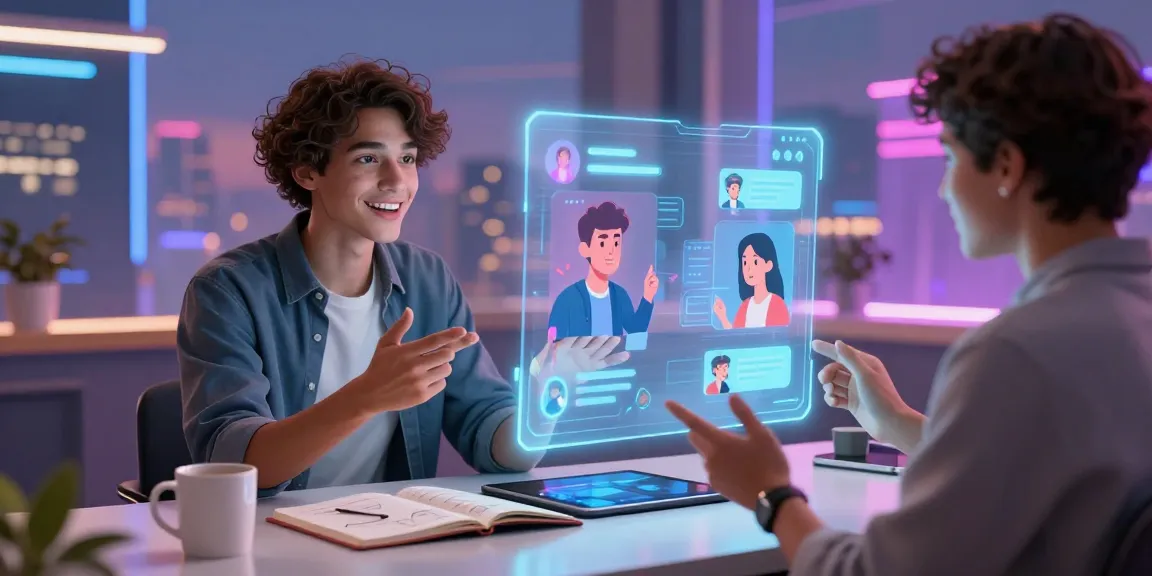
An engaging scene illustrating AI NSFW chat interaction, showcasing immersive characters and futuristic design elements.

ai nsfw Quick Reference: Facts, Stats, and Strategies for 2026

Understanding AI NSFW: A Comprehensive Overview

In recent years, the emergence of AI technologies has dramatically transformed various industries, including the realm of adult content. This article explores the fascinating domain of AI NSFW, shedding light on what it entails, the technologies that power it, and the current trends shaping its development. With an understanding of this innovative sector, users can better engage with the tools available while also navigating the ethical landscape that accompanies them. As we delve into this topic, it’s crucial to recognize the potential of platforms like ai nsfw to enhance user experience in this unique niche.

What is AI NSFW?

AI NSFW refers to artificial intelligence systems designed to generate or manipulate explicit content, which may include text, images, or videos aimed at adult audiences. These systems utilize advanced algorithms and machine learning techniques to produce materials that cater to various adult preferences. Unlike traditional content creation, which often requires human oversight, AI NSFW platforms can quickly adapt to user inputs, thereby delivering a personalized experience that aligns with individual desires.

Key Technologies Behind AI NSFW

The backbone of AI NSFW tools comprises several key technologies:

  • Natural Language Processing (NLP): This enables AI to understand, interpret, and generate human language, facilitating interactive conversations and narrative generation.
  • Generative Adversarial Networks (GANs): These are employed to create realistic images or videos by training two neural networks against each other, ultimately producing high-quality outputs.
  • Deep Learning: Leveraging vast datasets, deep learning allows AI systems to learn from patterns and nuances in vast troves of adult content, improving their output quality over time.

Current Trends in AI NSFW Tools

The AI NSFW landscape is continually evolving, with some notable trends emerging:

  • Customization: Users increasingly seek out platforms that allow for personalized experiences tailored to their preferences.
  • Interactivity: Engaging users through chatbots and virtual companions that simulate human-like interactions is becoming more prevalent.
  • Realism: Tools are advancing toward creating hyper-realistic images and narratives that blur the lines between digital and real-world experiences.

Exploring Use Cases of AI NSFW

Adult Entertainment Applications

The adult entertainment industry has embraced AI NSFW technologies, utilizing them in various ways. From generating realistic adult scenes to creating interactive virtual characters, these tools enhance user engagement and satisfaction. By allowing users to explore their fantasies in a safe, virtual environment, AI NSFW applications are redefining the standards of adult content consumption.

Creative Content Generation

AI is not just limited to generating adult content; it also plays a significant role in creative storytelling. Writers and creators can employ AI tools to brainstorm ideas, develop characters, or even draft entire narratives, leading to unique collaborations between humans and machines that push creative boundaries.

Gaming and Interactive Storytelling

In the gaming industry, AI NSFW applications offer players immersive environments where they can interact with AI-generated characters in explicit scenarios. This advancements provide unique interactive storytelling experiences while catering to adult audiences who seek deeper engagement with the narratives they explore.

Ethical Considerations Surrounding AI NSFW Content

Legal Implications and Regulations

As AI NSFW content becomes increasingly mainstream, legal challenges and regulations are becoming a key concern. Content creators and platform operators must navigate a complex web of laws governing adult content, privacy, and intellectual property. Compliance with these regulations is crucial to ensure the sustainability of AI NSFW platforms.

Community Standards and Guidelines

With the proliferation of AI NSFW applications, community standards play a critical role in determining acceptable content. Platforms must implement guidelines to protect users from harmful or illegal material while promoting a safe and respectful environment for all users.

Responsible Use of NSFW AI Technologies

Using AI NSFW technologies responsibly is paramount. Users should be aware of the potential implications of their interactions with these tools and consider the broader societal impact of their choices. Educating oneself about ethical use can foster a more constructive discourse surrounding adult content and AI.

Best Practices for Engaging with AI NSFW Platforms

Choosing the Right AI NSFW Tools

Selecting the appropriate AI NSFW platform is critical for ensuring a satisfying user experience. Factors to consider include content quality, customization options, and the platform’s adherence to community standards. Researching user reviews and expert opinions can help in making an informed choice.

Maximizing Engagement Through Customization

Customizing interactions with AI NSFW platforms can significantly enhance the user experience. Many platforms allow users to modify character traits, dialogue styles, and scenarios to better match their preferences, leading to more fulfilling experiences.

Safety Measures and User Privacy

Safety remains a paramount concern for users engaging with AI NSFW content. It is essential to choose platforms that prioritize user privacy and implement robust security measures. Awareness of data handling practices can help users protect their sensitive information while enjoying their virtual interactions.

Future of AI NSFW: Predictions for 2026 and Beyond

Emerging Technologies and Capabilities

The future of AI NSFW tools looks promising, with advancements in technologies like augmented reality (AR) and virtual reality (VR) set to create even more immersive experiences. Users can expect to see tools that seamlessly integrate these technologies, providing lifelike interactions and scenarios.

Market Growth and User Adoption Trends

As societal attitudes towards adult content evolve, the market for AI NSFW applications is projected to grow. Increased acceptance and curiosity among users will drive demand for innovative solutions, leading to a surge in platform adoption and investment.

Potential Challenges and Opportunities

While the future holds great potential, challenges remain. Navigating ethical concerns, regulatory frameworks, and societal perceptions will be vital for the responsible growth of AI NSFW platforms. However, these challenges also present opportunities for innovation and collaboration within the industry.

What are the ethical implications of AI NSFW?

The ethical implications of AI NSFW technologies extend to issues of consent, representation, and potential exploitation. Addressing these concerns requires the active involvement of stakeholders, including developers, users, and policymakers, to foster a culture of responsible usage.

How can I safely explore AI NSFW platforms?

To safely navigate AI NSFW platforms, users should prioritize their privacy and security by selecting reputable sites that adhere to community guidelines and implement robust safety measures. Educating oneself about the site’s data handling practices can also help mitigate risks.

What technologies are driving AI NSFW advancements?

The driving technologies behind AI NSFW advancements include machine learning, natural language processing, and generative models such as GANs. These cutting-edge technologies enable the creation of high-quality, interactive content that caters to a variety of adult preferences.

What are the best practices for using AI NSFW tools?

Best practices for using AI NSFW tools involve choosing reputable platforms, customizing experiences to match individual preferences, and understanding the ethical and legal implications of engaging with such content. This approach ensures a responsible and enjoyable interaction with AI technologies.

What is the future of AI NSFW content creation?

As technology continues to evolve, the future of AI NSFW content creation is expected to incorporate more immersive experiences through AR and VR, improved interactivity, and greater realism. This evolution will open doors for innovative storytelling and creative collaborations between users and AI.
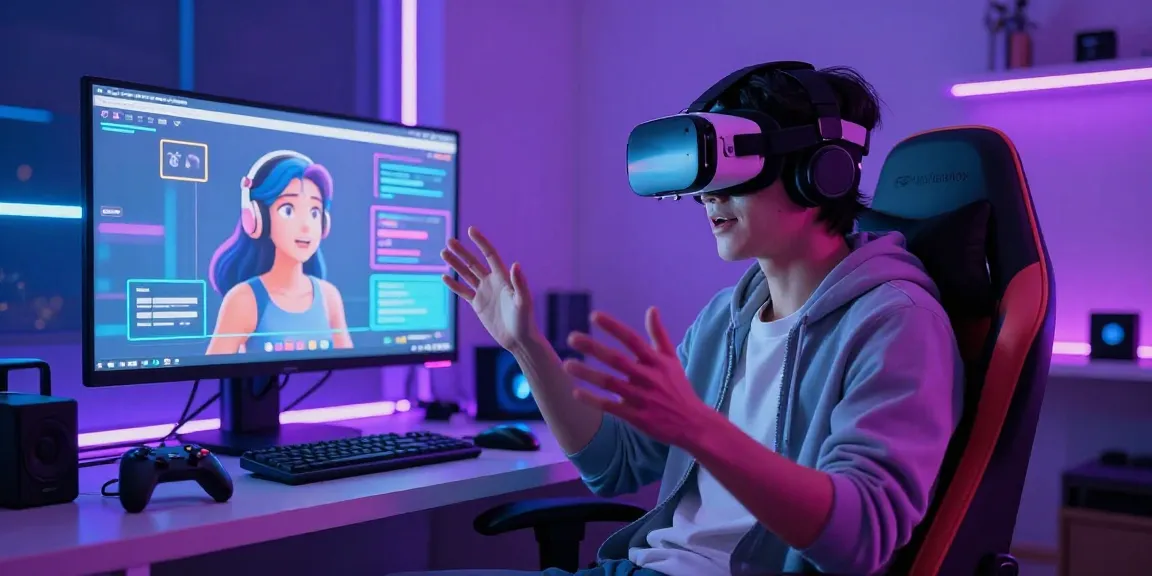
Dynamic scene showing a user interacting with NSFW AI in a VR setup, highlighting futuristic technology and vibrant visuals.

What Is NSFW AI and Why Does It Matter in 2026?

Understanding NSFW AI: An Introduction

As technology continues to evolve, the landscape of adult content is transforming through innovative tools such as NSFW AI. These advanced systems use artificial intelligence to generate, curate, and manage explicit content in ways previously unimaginable. In recent years, the demand for personalized and engaging adult interactions has surged, leading to the rise of platforms that harness the power of machine learning and natural language processing to create immersive experiences. When exploring options, nsfw ai provides comprehensive insights into how these technologies can reshape your adult entertainment experience.

What is NSFW AI?

NSFW AI refers to artificial intelligence applications specifically designed to create or interact with content deemed Not Safe For Work (NSFW). This could include chatbots, image generation tools, or interactive platforms that engage users in explicit scenarios. Unlike traditional adult content, NSFW AI platforms can offer personalized experiences tailored to individual preferences, adapting the interaction in real time based on user input.

Key Features and Capabilities of NSFW AI

  • Customization: Users can often customize characters and scenarios, allowing for deeply personalized interactions.
  • Real-Time Interaction: Many NSFW AI platforms provide dynamic conversations, mimicking human responses and adjusting to user queries.
  • Content Creation: Users can generate explicit images or scenarios based on textual prompts, paving the way for creative exploration.
  • Privacy and Safety: Most platforms emphasize user anonymity and data protection, creating a safe space for adult exploration.

The Evolution of AI in Adult Content

The application of AI in adult content is not new, but its evolution has accelerated in recent years. Early forms of adult AI were simplistic, relying on predefined scripts and limited interactivity. However, advancements in machine learning and neural networks have revolutionized the field. AI can now analyze user behavior, learning from interactions to enhance realism and engagement. This progress has given rise to sophisticated models capable of understanding context and nuance, leading to a richer user experience.

User Perspectives and Experiences

How Users Engage with NSFW AI

Users engage with NSFW AI in a variety of ways, from casual interactions with chatbots to immersive experiences where the AI acts as a virtual partner. Many users appreciate the discretion that these platforms offer, allowing them to explore fantasies without fear of judgment. The interactive nature of NSFW AI also means that users can guide the experience, making it highly engaging and tailored to individual desires.

Benefits of NSFW AI for Personal Exploration

One of the most significant benefits of NSFW AI is its ability to provide a platform for personal exploration. Users can experiment with different scenarios and fantasies in a safe, private environment. This can lead to enhanced self-awareness and understanding of one’s own desires and preferences. Moreover, the customization options available allow users to curate experiences that resonate with them, leading to heightened satisfaction and enjoyment.

Challenges Faced by Users in Navigating NSFW AI

Despite the many advantages, users can face challenges when engaging with NSFW AI. Privacy concerns remain prominent, with users often questioning how their data is being utilized and safeguarded. Additionally, some may find the technology disorienting or impersonal, particularly if their expectations do not align with the AI’s capabilities. Education on how to effectively interact with NSFW AI is crucial to maximizing the benefits while minimizing any potential drawbacks.

Technology Behind NSFW AI

Machine Learning and Natural Language Processing

The backbone of NSFW AI is rooted in machine learning and natural language processing (NLP). These technologies enable systems to understand and generate human-like text and imagery. Through training on vast datasets, AI models learn patterns in language and visual representation, allowing them to create realistic and engaging content. The evolving nature of NLP means that interactions feel increasingly authentic, as AI continues to refine its understanding of user input.

Content Creation Techniques in NSFW AI

Content creation in NSFW AI can take many forms, from automated image generation to narrative storytelling. Techniques such as deep learning facilitate the production of high-fidelity images based on textual descriptions, which can be personalized further based on user preferences. This flexibility in content creation allows users to express their desires creatively, often leading to unique and satisfying outcomes that would be challenging to find in traditional adult content.

Ethical Considerations in NSFW AI Development

As with any emerging technology, ethical considerations play a critical role in the development and use of NSFW AI. Issues surrounding consent, representation, and the potential for misuse require careful attention. Developers must strive to create systems that respect user privacy and promote healthy interactions. Additionally, the portrayal of explicit content should be approached thoughtfully to avoid reinforcing harmful stereotypes or contributing to unrealistic expectations.

Market Trends and Future Predictions

Current Trends in NSFW AI Technologies

The NSFW AI market is currently experiencing significant growth, driven by rising demand for personalized content and immersive experiences. Popular trends include advancements in character customization, enhanced interactivity, and refined user interfaces that facilitate smoother navigation. Additionally, the integration of VR and AR technologies is set to create even more engaging environments for adult exploration.

What to Expect in the NSFW AI Market by 2026

By 2026, the NSFW AI market is expected to witness remarkable advances in realism and user engagement. Future platforms may incorporate even more sophisticated AI models capable of emotional recognition, enabling interactions that feel not only realistic but also emotionally resonant. Additionally, the proliferation of mobile applications will likely make these technologies more accessible, aiding in the mainstream acceptance of NSFW AI.

Emerging Technologies Influencing NSFW AI

Several emerging technologies are poised to influence the future of NSFW AI significantly. Innovations in quantum computing could enhance processing speeds, enabling more complex simulations and interactions. Meanwhile, developments in biometric technology may allow for personalized experiences based on users’ emotional states or physical responses, further blurring the lines between virtual and real-world interactions.

Best Practices for Engaging with NSFW AI

How to Choose the Right NSFW AI Platform

Choosing the right NSFW AI platform involves considering several factors. Users should evaluate features such as customization options, privacy policies, and the quality of content generated. Additionally, user reviews and community feedback can provide valuable insights into the reliability and effectiveness of different platforms. Taking the time to research options can lead to more satisfying experiences.

Maximizing Your Experience: Tips and Techniques

To maximize your experience with NSFW AI, consider the following tips:

  • Understand the technology: Familiarize yourself with how the AI operates to better navigate interactions.
  • Be open-minded: Approaching experiences with an open mindset can lead to unexpected enjoyment and satisfaction.
  • Experiment: Don’t hesitate to try different scenarios and characters to discover what resonates most with you.

Ensuring Safe and Responsible Use of NSFW AI

Safety and responsibility should be at the forefront of any engagement with NSFW AI. Users must remain vigilant about their privacy, ensuring that the platforms they choose prioritize data security. Moreover, practicing respectful engagement, both with the AI and within communities, promotes a healthy environment for exploration. Always stay informed about the ethical implications and legal considerations surrounding adult content.

What challenges exist when using NSFW AI?

Challenges when using NSFW AI include navigating privacy concerns, managing unrealistic expectations, and understanding the technology’s limitations. Users should educate themselves on these issues to have a more positive experience.

How is NSFW AI evolving in 2026?

In 2026, NSFW AI is evolving to become more interactive, with technology focused on emotional recognition and personalized scenarios, enhancing user engagement and satisfaction.

What are the ethical concerns related to NSFW AI?

Ethical concerns in NSFW AI development revolve around user consent, responsible content creation, and upholding privacy. Developers must prioritize these issues to promote healthy interactions.

How can I ensure safe usage of NSFW AI platforms?

To ensure safe usage, users should choose reputable platforms that emphasize privacy, educate themselves on data handling practices, and engage responsibly with the content.

What technologies are shaping the future of NSFW AI?

Emerging technologies such as quantum computing, biometric systems, and enhanced machine learning models are shaping the future landscape of NSFW AI, promising richer and more engaging experiences.

Captivating Trends in Arts & Entertainment You Need to Know

Understanding the Foundations of Arts & Entertainment

The realms of arts and entertainment are woven into the very fabric of human existence. They not only provide enjoyment and leisure but also provoke thought, challenge societal norms, and inspire change. As we dive deeper into this multifaceted category, it becomes essential to understand the foundational roles that arts and entertainment play within society, the various forms they take, and how they have evolved over time.

The Role of Arts in Society

Arts have long been recognized as a vital element of culture and community. From ancient cave paintings to modern-day digital installations, art serves as a mirror reflecting societal values, struggles, and triumphs. It acts as a form of communication that transcends language barriers and speaks to shared human experiences.

One of the primary roles of arts in society is its ability to foster empathy and understanding. For example, theatre productions like “The Vagina Monologues” have sparked conversations about gender and sexuality, bridging gaps between different demographics. Additionally, public art installations, such as the “One World Trade Center” in New York, commemorate collective tragedies and triumphs, uniting communities in remembrance and healing.

  • Education and Awareness: Arts educate the public about various social issues, such as climate change, poverty, and discrimination.
  • Cultural Preservation: Artistic expressions preserve cultural heritage, ensuring that traditions and stories are passed down through generations.
  • Economic Impact: The arts industry contributes significantly to the economy, generating jobs and attracting tourism.

Defining Different Forms of Entertainment

Entertainment encompasses a wide array of activities designed to engage and amuse audiences. It includes everything from live performances to digital content. The evolution of technology has expanded the definition of entertainment, creating new avenues for creativity and audience interaction.

Common forms of entertainment include:

  • Live Performances: These comprise theater, concerts, and dance performances that offer audiences a shared experience.
  • Film and Television: The cinematic arts have become a dominant form of entertainment, with streaming platforms further revolutionizing content consumption.
  • Video Gaming: An industry worth billions, gaming combines storytelling, technology, and interactivity, appealing to diverse audiences.

Understanding these forms allows creators to tailor their work to meet audience expectations and cultural trends, ensuring relevance in an ever-evolving landscape.

The Evolution of Artistic Expression

Artistic expression is not static; it evolves alongside society, technology, and cultural shifts. Historically, movements like the Renaissance, Baroque, and Modernism have each redefined what art means, often in response to societal changes or technological advancements.

Today, we see a blending of traditional and contemporary forms. For instance, street art has emerged from the shadows of illicit expression to become a celebrated art form, as seen with artists like Banksy, who use public spaces to comment on social and political issues.

This evolution continues with the rise of multimedia art, combining visual mediums with technology, leading to immersive experiences. The integration of augmented reality (AR) and virtual reality (VR) into art exhibits is a prime example of how artistic expression is pushing boundaries.

Exploring Various Art Forms

The arts encompass a plethora of forms, each with its own techniques, styles, and cultural significance. By delving into these forms, we can appreciate the diverse methods of expression and the unique voices they embody.

Visual Arts: Techniques and Styles

Visual arts include a range of creative expressions, from painting and sculpture to photography and digital art. Each medium has its own techniques and styles that artists employ to convey their messages.

For instance, traditional painting techniques like oil and watercolor provide different textures and depths, while modern techniques, such as digital painting, allow for experimentation with color and form. Artists like Yayoi Kusama, known for her polka dots and infinity rooms, have pushed the boundaries of visual arts, integrating concepts of infinity and obsession into their work.

Popular styles in visual arts include:

  • Impressionism: Focuses on capturing light and movement, often using loose brushwork.
  • Abstract Art: Breaks away from traditional representation, emphasizing color and form.
  • Surrealism: Explores the subconscious, creating dream-like scenarios.

Each style represents a unique approach to artistic expression, allowing artists to communicate their thoughts and emotions effectively.

Performing Arts: Theater, Dance, and Music

The performing arts are dynamic forms of expression that involve live performances before an audience. This category includes theater, dance, and music, each with its own traditions and innovations.

Theater, for example, has a rich history that dates back to ancient Greece. Modern theatrical productions often employ various genres, from drama to comedy, addressing contemporary issues. The rise of immersive theater, where audiences participate in the performance, showcases the evolving nature of this art form.

Dance, whether ballet, hip-hop, or contemporary, serves as a powerful medium for storytelling and emotional expression. Companies like the Alvin Ailey American Dance Theater blend cultural heritage with modern choreography, creating performances that resonate with diverse audiences.

Music, in its various forms, transcends language and cultural barriers. The digital age has revolutionized how music is created and consumed, with platforms like Spotify and Apple Music changing the landscape of the music industry.

Digital Arts: Trends in Multimedia and Technology

The digital arts have emerged as a significant category, encompassing everything from graphic design and animation to interactive installations. With the advent of technology, artists are exploring new mediums that were previously unimaginable.

Trends in digital arts include:

  • Virtual Reality Art: Artists create immersive experiences that allow viewers to engage with their work in a three-dimensional space.
  • Augmented Reality: Blends digital elements with the real world, enhancing the way audiences interact with art.
  • Generative Art: Utilizes algorithms and computer programming to create artworks, challenging traditional notions of authorship.

These advancements not only expand the possibilities of artistic expression but also challenge audiences to engage with art in new and innovative ways.

Analyzing Cultural Impact and Trends

The intersection of arts and culture reveals much about societal values, identities, and the ways these evolve. As cultural contexts shift, so do the artistic expressions that emerge from them, making it vital to analyze these trends and their implications.

How Arts Reflect Cultural Identity

Art serves as a conduit for cultural identity, allowing communities to express their unique experiences and histories. Artists often draw upon their cultural backgrounds to inform their work, resulting in pieces that resonate deeply with audiences.

For instance, the works of Frida Kahlo reflect her Mexican heritage and personal struggles, blending indigenous culture with surrealism. Similarly, the rise of African American artists during the Harlem Renaissance highlighted the rich cultural contributions of Black Americans, paving the way for future generations.

In contemporary society, movements like Black Lives Matter have prompted artists to use their platforms to address issues of racial injustice, creating works that challenge systemic inequalities.

Influence of Social Media on Entertainment Choices

Social media has transformed the entertainment landscape, influencing how audiences consume and engage with content. Platforms like Instagram, TikTok, and YouTube have become essential tools for artists and entertainers to showcase their work and connect with fans.

For example, TikTok has launched numerous music careers, with songs going viral often due to user-generated content. Artists like Lil Nas X gained fame through viral challenges, demonstrating the power of social media in shaping musical success.

Moreover, social media allows for real-time feedback and interaction, creating a more engaged audience. This shift has prompted creators to consider audience preferences when developing their content, leading to more personalized experiences.

Current Trends in Global Artistic Movements

Artistic movements are constantly evolving, influenced by global events, technological advancements, and cultural shifts. Currently, several trends are shaping the global arts landscape:

  • Environmental Art: Artists are increasingly addressing climate change and environmental issues through their work, using art as a platform for activism.
  • Diversity and Inclusion: There is a growing emphasis on representing diverse voices and perspectives within the arts, leading to a richer cultural dialogue.
  • Interdisciplinary Collaborations: Artists are merging different disciplines, blending visual arts with performance and technology to create multifaceted experiences.

These trends not only reflect the current societal climate but also push the boundaries of what art can achieve, fostering dialogue and encouraging change.

Creating and Promoting Arts & Entertainment Projects

The creation and promotion of arts and entertainment projects require a combination of creativity, strategy, and understanding of the industry. From conceptualization to execution, each step is crucial for success.

Developing a Creative Concept: From Idea to Execution

Every successful arts project begins with a solid concept. This involves brainstorming ideas, identifying target audiences, and determining the message the project aims to convey.

Here’s a step-by-step guide to developing a creative concept:

  1. Brainstorm Ideas: Gather a group of creative individuals to discuss themes, emotions, and messages you want to explore.
  2. Research Your Audience: Understand who your project is for and what resonates with them. Conduct surveys or focus groups if necessary.
  3. Define the Message: Clearly articulate what you want to communicate through your project. This will guide all subsequent decisions.
  4. Create a Project Outline: Develop a detailed plan that includes timelines, resources, and budget estimates.
  5. Gather Feedback: Share your concept with trusted peers or mentors for constructive critique before moving forward.

By following these steps, artists can ensure their projects are well thought out and have a higher chance of success.

Marketing Strategies for Artists and Entertainers

Effective marketing is crucial for artists and entertainers looking to reach their audience and build a brand. Here are several strategies to consider:

  • Build a Strong Online Presence: Create a professional website and utilize social media platforms to showcase your work and connect with audiences.
  • Engage with Your Audience: Foster relationships through regular updates, behind-the-scenes content, and interactive posts that encourage audience participation.
  • Collaborate with Other Artists: Team up with fellow creators to cross-promote each other’s work, expanding your reach and visibility.
  • Utilize Email Marketing: Build an email list to keep fans informed about upcoming projects, events, and exclusive content.

By employing these strategies, artists can enhance their visibility and cultivate a loyal following.

Utilizing Crowdfunding for Arts Projects

Crowdfunding has become a popular method for artists and entertainers to finance their projects. Platforms like Kickstarter and Indiegogo allow creators to present their ideas to the public and receive financial support from backers.

Here’s how to effectively utilize crowdfunding:

  1. Define Your Goal: Clearly outline how much funding you need and what it will be used for. Transparency builds trust with potential backers.
  2. Create a Compelling Pitch: Develop a captivating video or written pitch that explains your project, its significance, and why it deserves support.
  3. Offer Rewards: Incentivize backers by offering tiered rewards, such as exclusive merchandise, behind-the-scenes access, or one-on-one experiences.
  4. Promote Your Campaign: Use social media, email marketing, and community outreach to spread the word about your crowdfunding campaign.

By following these steps, artists can successfully raise funds and build a community of supporters around their work.

Navigating the Business of Arts & Entertainment

The arts and entertainment industry is not just about creativity; it also involves navigating complex business landscapes. Understanding the commercial aspects is crucial for long-term success.

Understanding Copyright and Intellectual Property

Copyright and intellectual property are vital components of the arts and entertainment sector, ensuring that creators retain control over their work. Understanding these concepts helps protect artists and their creations from unauthorized use.

Key points to consider include:

  • Copyright Registration: Registering your work provides legal protection and establishes ownership, allowing you to take legal action against infringement.
  • Licensing Agreements: These agreements allow others to use your work under specified terms, providing a revenue stream while retaining ownership.
  • Fair Use Doctrine: Familiarize yourself with the concept of fair use, which permits limited use of copyrighted material without permission under certain conditions.

By understanding these principles, artists can better protect their work and navigate the legal landscape of the industry.

Building a Career in the Arts: Opportunities and Challenges

Building a career in the arts can be both rewarding and challenging. Opportunities abound but require persistence and adaptability. Here are some strategies for success:

  • Diversify Your Skill Set: Continuously learn and develop new skills, whether through formal education or self-study, to stay competitive.
  • Seek Representation: Agents and managers can help you navigate the industry, providing valuable connections and opportunities.
  • Be Open to Collaboration: Collaborating with other artists can lead to innovative projects and broaden your network.
  • Stay Resilient: The arts industry can be unpredictable; resilience and a positive mindset are essential for overcoming obstacles.

By applying these strategies, aspiring artists can carve out a successful career path in the arts.

Networking and Collaborations in the Arts Industry

Networking is a crucial aspect of building a successful career in the arts and entertainment sector. Establishing relationships with fellow artists, industry professionals, and audiences can open doors to new opportunities.

Here are effective ways to network in the arts industry:

  • Attend Industry Events: Participate in art exhibitions, film festivals, and music events to meet like-minded individuals and expand your network.
  • Join Professional Organizations: Organizations such as the American Alliance of Museums or the Screen Actors Guild provide resources and networking opportunities for artists.
  • Utilize Online Platforms: Websites like LinkedIn and industry-specific forums can connect you with professionals and potential collaborators.
  • Follow Up: After meeting someone, follow up with a personalized message expressing your appreciation and interest in staying connected.

Building a robust network can lead to collaborations, mentorship opportunities, and career advancements in the arts and entertainment industry.