
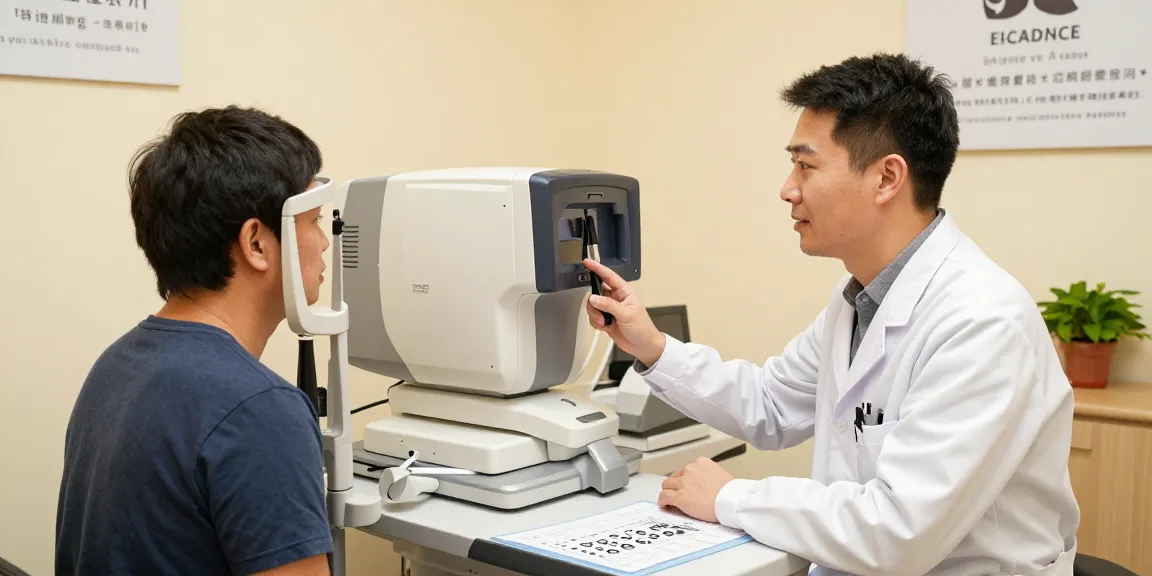
The Future of Vision Correction Technologies
As we advance into 2026, the landscape of vision correction is evolving rapidly, driven by innovations in medical technology and surgical techniques. At the forefront of these advancements are personalized treatment plans that cater specifically to individual patient needs. The emerging technologies not only promise improved outcomes but also enhance the overall patient experience. This dynamic shift is crucial for clinics like SNU Eye Clinic, where exceptional care and innovative treatments are paramount. When exploring options, Vision Correction services are designed to provide comprehensive insights and solutions tailored to unique vision requirements.
Emerging Technologies in Vision Correction
The integration of cutting-edge technologies in vision correction is reshaping how eye care professionals approach treatment. Techniques such as laser-assisted surgeries, advanced intraocular lenses (IOLs), and even gene therapies are making significant strides. Laser refractive surgeries, especially LASIK and SMILE (Small Incision Lenticule Extraction), are becoming increasingly precise, allowing for quicker recovery times and minimal discomfort.
Furthermore, the introduction of wavefront-guided LASIK has enabled doctors to customize procedures according to the specific imperfections in a patient’s vision. This technology measures how light waves travel through the eye, focusing on irregularities that traditional methods might overlook. With the potential for enhancing the success rates of surgeries, these technologies are vital in the ongoing drive toward optimal patient outcomes.
Impact of AI and Machine Learning on Eye Care
Artificial Intelligence (AI) and machine learning are revolutionizing the field of eye care by enabling more accurate diagnostics and treatment planning. Algorithms driven by vast datasets can analyze medical images with precision, allowing for earlier detection of conditions like diabetic retinopathy or macular degeneration. By utilizing AI in the diagnostic process, practitioners can ensure timely interventions that can significantly improve patient vision and quality of life.
Moreover, AI can play a critical role in surgical planning and execution. For instance, robotic-assisted surgeries, guided by machine learning algorithms, promise increased accuracy and safety during complex procedures.
Advanced Surgical Techniques Expected by 2026
Over the next few years, we can anticipate a growing adoption of minimally invasive surgical techniques. These methods, such as femtosecond laser cataract surgery, are expected to gain prominence due to their ability to reduce recovery times and patient discomfort significantly. Innovations in IOL technology are also on the horizon, with lenses capable of accommodating varying vision needs, increasing the likelihood of achieving optimal visual outcomes without reliance on glasses.
In addition, the development of new materials and coatings for IOLs is set to enhance durability and performance, further reinforcing the future of surgical approaches in vision correction.
Personalized Vision Correction Solutions
As the practice of medicine evolves, the importance of personalized treatment plans becomes increasingly apparent. Tailoring vision correction solutions to the unique requirements of each patient not only improves outcomes but also fosters a sense of trust and satisfaction in the healthcare process.
The Importance of Tailoring Treatment Plans
Customizing treatment plans is crucial in ensuring that the specific needs of each patient are met. Factors such as age, lifestyle, and the nature of the visual impairment significantly influence the type of intervention required. For instance, active individuals may benefit more from laser procedures, while those with complex refractive errors might find ICL (Implantable Collamer Lens) procedures more effective.
By providing these individualized approaches, clinics like SNU Eye Clinic can enhance the patient journey from initial assessments through to post-operative care, ensuring comprehensive support throughout the process.
Benefits of 1:1 Vision Correction Approaches
One-on-one consultations and tailored treatment plans enable healthcare providers to develop a profound understanding of each patient’s expectations and concerns. This personalized engagement not only builds rapport but also results in better alignment between patient goals and clinical outcomes.
- Improved patient satisfaction: Tailoring treatments to individual needs enhances overall satisfaction, leading to positive experiences and recommendations.
- Higher success rates: Personalized approaches tend to account for the unique anatomical and physiological traits of patients, which can lead to better surgical outcomes.
- Reduced complications: By understanding specific risks and contraindications, eye care professionals can optimize surgical plans, minimizing potential complications.
Case Studies: Success Stories from Customized Care
Real-life success stories illustrate the impact of personalized vision correction. In one case, a 35-year-old athlete opted for a custom LASIK procedure that accounted for his active lifestyle and specific visual demands. The outcome was remarkable, with the patient achieving 20/15 vision, allowing him to return to competition within weeks.
Similarly, another patient, a 50-year-old individual with astigmatism, benefited from a Toric ICL. The personalized approach not only corrected visual acuity but also significantly enhanced quality of life, enabling him to engage in activities he had previously found challenging.
Patient Perspectives and Experiences
Understanding the patient journey is critical for eye care providers. By focusing on patient perspectives, clinics can adapt their offerings to align with expectations and improve service delivery.
Understanding Patient Needs and Expectations
Every patient carries unique needs and expectations into their consultations. Open dialogues about what patients hope to achieve from vision correction treatments can guide medical professionals in formulating the most effective treatment plans. Establishing a comprehensive framework that encourages patients to share their concerns and desires is paramount to achieving shared decision-making.
Overcoming Misconceptions about Vision Correction
Despite advancements in the field, misconceptions surrounding vision correction persist. Many patients harbor fears regarding pain and surgical risks, which can deter them from seeking necessary treatments. It is crucial for healthcare providers to address these myths through education and reassurance, highlighting the safety and efficacy of modern procedures.
Information dissemination through various channels, including social media, informative websites, and community outreach, can significantly aid in demystifying the process.
Real Patient Testimonials on Eye Surgery Outcomes
Patient testimonials serve as powerful testimonies to the effectiveness of various vision correction methods. For instance, a satisfied LASIK patient noted an immediate difference in clarity post-surgery, stating, “I couldn’t believe my eyes. The world became vibrant again.” Another patient shared how their life transformed after receiving an ICL, stating, “For the first time in years, I was able to read without glasses.” Such testimonies not only validate the procedures but also inspire potential patients to consider seeking treatment.
Best Practices in Eye Care and Surgery
To deliver exceptional care, eye clinics must adhere to best practices throughout the patient journey, from assessment through to recovery.
Importance of Comprehensive Pre-Operative Assessments
Before any surgical procedure, a thorough pre-operative assessment is essential. This process should encompass detailed eye examinations, patient histories, and discussions about lifestyle and expectations. Ensuring that patients are well-informed about potential risks and benefits can significantly enhance the decision-making process, leading to better outcomes.
Following Up: Post-Surgery Care and Support
Post-operative care is a vital component of the recovery process. Following surgery, patients require detailed instructions on care routines, medication schedules, and follow-up appointments. Regular check-ins can help address any concerns and track healing progress.
Performance Metrics for Evaluating Treatment Success
Clinics must establish clear performance metrics to evaluate the success of treatments. Metrics such as visual acuity improvement, patient satisfaction scores, and complication rates are essential in assessing overall treatment effectiveness. Continuous monitoring and analysis of these metrics can drive quality improvements and foster a culture of excellence within healthcare facilities.
Trends and Predictions for Eye Health in 2026
The future of eye health is poised for exciting developments driven by technological advancements and evolving patient needs. Understanding upcoming trends will be critical for both patients and providers navigating this landscape.
Future Direction of the Eye Care Industry
The eye care industry is anticipated to pivot towards more patient-centered models, emphasizing transparency, communication, and active participation in treatment choices. As patients become more informed, clinics will need to adapt their models to deliver tailored experiences aligned with patient preferences.
Key Factors Affecting Vision Correction Demand
Demographics will continue to play a significant role in shaping vision correction demand. As populations age, the prevalence of age-related eye conditions will rise, increasing the demand for effective correction solutions. Additionally, as lifestyle changes prompt more reliance on digital devices, younger generations may seek interventions to address digital eye strain.
Emerging Healthcare Policies Impacting Eye Surgery
Healthcare policies are evolving to promote better access to vision care. Anticipated changes in insurance coverage and reimbursement models may facilitate broader access to advanced treatments, potentially increasing patient volumes in clinics offering cutting-edge solutions.
What are the latest advancements in Vision Correction?
Among the latest advancements in vision correction are the integration of collimated light for laser procedures, adaptive optics for visual correction, and advancements in materials for ICLs. These innovations foster the development of safer, more efficient treatment protocols.
How can personalized treatment improve patient outcomes?
Personalized treatment significantly enhances patient outcomes by considering each individual’s unique circumstances, leading to more effective interventions and higher satisfaction rates. Tailored approaches that consider lifestyle, anatomical variances, and specific visual demands yield optimal results.
What should patients know before considering eye surgery?
Patients should be informed about the types of procedures available, potential risks and complications, post-operative care requirements, and the importance of setting realistic expectations. Engaging in thorough consultations with eye care professionals can ensure that patients make well-informed decisions.
What role does technology play in modern eye care?
Technology plays an integral role in modern eye care, enabling enhanced diagnostic capabilities, refined surgical techniques, and improved patient communication. From AI to robotics, each technological advancement contributes to more precise and efficient healthcare delivery.
How to choose the right eye clinic for Vision Correction?
When choosing an eye clinic for vision correction, consider factors such as the clinic’s track record, the types of technologies used, patient testimonials, and the availability of personalized care options. A clinic that prioritizes patient education and support can significantly enhance the overall treatment experience.