
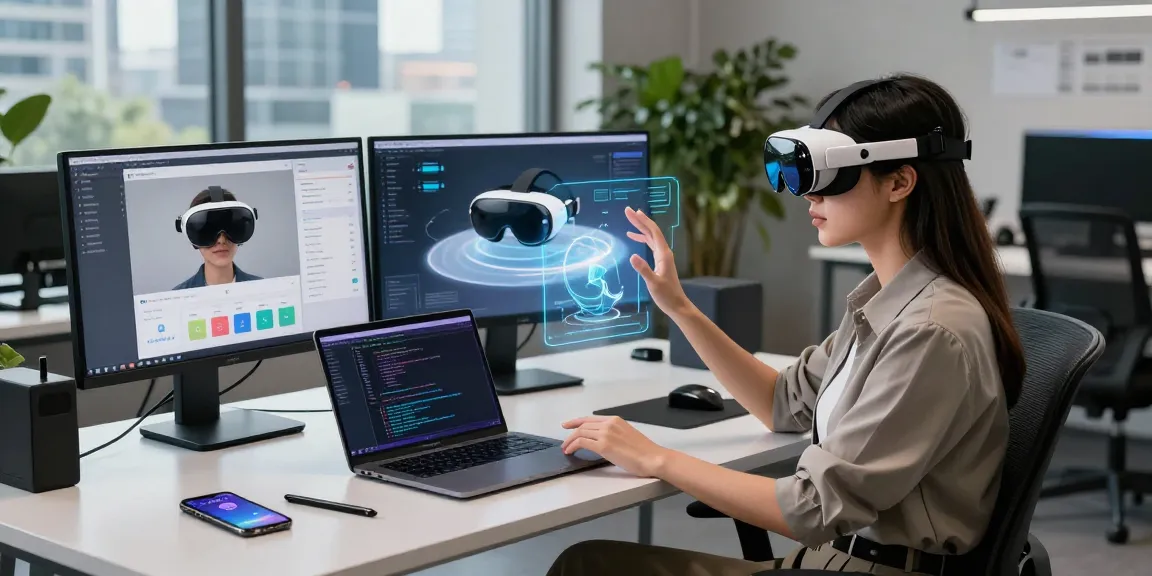
Understanding AR Glasses: The Basics
As technology continues to advance rapidly, augmented reality (AR) glasses are emerging as a significant innovation in the consumer electronics market. These devices enhance our perception of reality by overlaying digital content onto the physical world. They hold the potential to revolutionize various aspects of daily life, from entertainment to education. Understanding the nuances of AR glasses is essential for anyone looking to stay informed in a world that increasingly relies on innovative technologies. When exploring options, AR glasses provide comprehensive insights into the latest trends and products available.
What Are AR Glasses?
Augmented reality glasses are wearable devices that integrate digital information with the user’s environment in real-time. Unlike virtual reality (VR), which immerses the user in a completely virtual setting, AR glasses supplement the real world with additional data. This technology can include visual overlays, audio cues, and even haptic feedback, creating an interactive experience that enhances how we understand and engage with our surroundings.
How Do AR Glasses Work?
AR glasses operate using a combination of hardware and software. They typically include a display, cameras, sensors, and speakers. The cameras capture the real-world environment, while sensors detect user movements and gestures. The data collected is processed in real-time, allowing the system to generate the digital overlays that the user sees. This seamless integration ensures that the virtual elements align accurately with the physical world, offering a cohesive user experience.
Key Features of Modern AR Glasses
- High-Resolution Display: Clear and vibrant displays are crucial for an immersive AR experience.
- Voice Recognition: Many AR glasses now include built-in voice assistants for hands-free operation.
- Gesture Control: Users can interact with virtual elements through hand gestures, eliminating the need for physical controllers.
- Connectivity: Compatibility with smartphones and the internet is essential for accessing enhanced functionalities and updates.
Innovations in AR Glasses for 2026
The AR glasses market is set to experience significant advancements in 2026, driven by innovations in technology and user needs. These innovations are expected to enhance the functionality, usability, and overall experience of AR glasses, making them more accessible to consumers and businesses alike.
Latest Technologies Shaping AR Experiences
Technological advancements are paving the way for more sophisticated AR experiences. Innovations in optics, such as microLED displays and waveguide technology, are improving the visual clarity and reducing the form factor of AR glasses. Moreover, improvements in battery life due to more efficient power management systems are making it feasible for users to wear these devices for extended periods without frequent recharging.
Comparative Analysis of Top AR Glass Models
As the market for AR glasses grows, several models are vying for a spot at the top. Devices like the Microsoft HoloLens 2, Vuzix Blade, and Google Glass Enterprise Edition are currently leading the pack, each offering unique features and capabilities. A comparative analysis reveals their strengths and weaknesses, including display quality, processing power, comfort, and price, which are essential considerations for potential buyers.
Significant Upgrades in Performance and Usability
Manufacturers are focusing on enhancing the user experience by integrating AI technologies and improving the ergonomic design of AR glasses. Performance upgrades include faster processing units that can handle complex tasks effortlessly, more intuitive interfaces that reduce the learning curve for new users, and enhanced AI-driven functionalities that provide personalized experiences.
Practical Applications of AR Glasses
The versatility of AR glasses opens up a myriad of practical applications across various sectors. Their ability to overlay information on the real world has made them invaluable tools in settings ranging from education to healthcare and business productivity.
AR Glasses in Education and Training
In educational settings, AR glasses are transforming the way students learn. They can visualize complex concepts, provide immersive simulations, and facilitate interactive learning experiences that enhance retention and understanding. For example, medical students can practice surgical procedures in a simulated environment, gaining hands-on experience without risk.
Use Cases in Healthcare and Medical Training
AR glasses are proving to be a game-changer in healthcare, enabling surgeons to visualize critical information during procedures. Real-time data overlays can display patient vitals, imaging scans, and other essential information, significantly enhancing surgical precision and efficiency.
Benefits of AR Glasses in Workplace Productivity
In the corporate world, AR glasses can streamline workflows and enhance collaboration. By providing real-time access to data and tools, employees can work more efficiently, reducing the time spent on manual tasks. For instance, technicians can access schematics while repairing machinery, allowing for quicker and more accurate repairs.
Challenges and Considerations in Adopting AR Glasses
Despite the promising potential of AR glasses, there are several challenges that users and businesses need to consider before adoption. Addressing these concerns is crucial for widespread acceptance and integration into daily life.
Common Misconceptions About AR Technology
Many individuals harbor misconceptions about AR glasses, often equating them with VR or underestimating their potential. Educating users about the distinct capabilities of AR technology is essential to dispel myths and promote understanding of its benefits.
Addressing Privacy and Security Concerns
Privacy and security are significant concerns related to AR glasses, primarily due to their ability to record and analyze real-world environments. Manufacturers must prioritize data protection and implement robust security measures to reassure users that their information is safe.
Costs Versus Benefits: Is It Worth the Investment?
While AR glasses can provide significant benefits, the cost remains a barrier for many potential users. Evaluating the long-term value and return on investment is essential for businesses and consumers prior to making a purchase.
The Future of AR Glasses: Trends and Predictions
As we look forward to the future of AR glasses, several trends are likely to shape the direction of this technology and its impact on our daily lives. Understanding these trends can help consumers and businesses prepare for the changes ahead.
Emerging Trends in Augmented Reality
Emerging trends in augmented reality include the integration of AR into social media platforms, enhancing gaming experiences, and the rise of AR in retail environments where customers can try products virtually before purchasing. These trends demonstrate the broad applicability of AR technology.
Integration of AI and AR: What to Expect
As artificial intelligence continues to evolve, its integration with AR will lead to more personalized and context-aware experiences. AI can analyze user behavior and preferences, thereby adapting the AR experience to suit individual needs effectively.
Long-Term Impact of AR Glasses on Daily Life
The long-term impact of AR glasses is expected to be profound. They will likely redefine how we interact with our environment, access information, and communicate with others. As the technology becomes more mainstream, everyday tasks may increasingly incorporate AR functionalities.
How Will AR Glasses Evolve Over the Next Decade?
In the next decade, AR glasses are poised to become more compact, affordable, and powerful. Technological advancements will enhance their capabilities, making them indispensable tools in various aspects of life. From personal use to professional applications, the evolution of AR glasses will transform our interaction with the world around us.